


Alapala Similago III Rollermill: Direct Drive and Regenerative Energy Architecture
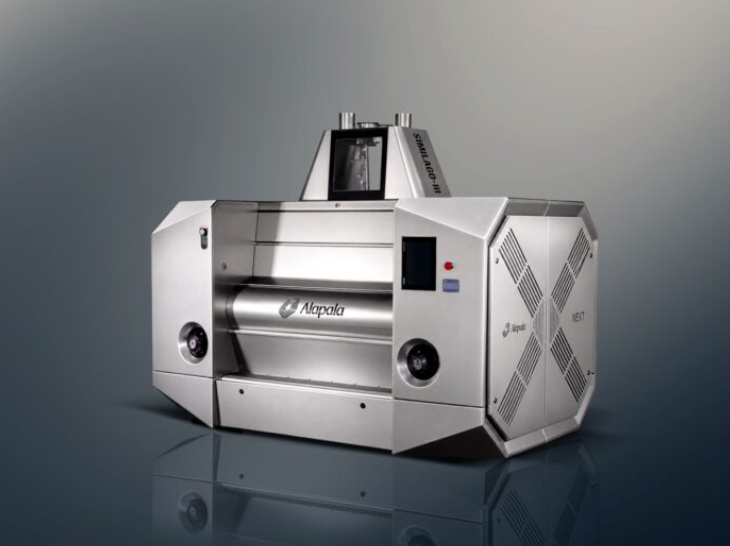
The new-generation Similago III roller, developed by the R&D and engineering teams at milling technology manufacturer Alapala, offers a technical transformation with its direct drive system, independent roller speed control and regenerative energy recovery infrastructure. Designed to differ from traditional roller mill technology, the machine incorporates technical features focused on eliminating mechanical transmission losses and ensuring process traceability.
Permanent Magnet Drive and Energy Recovery System
The Similago III draws its power from a permanent magnet synchronous reluctance direct drive system. This architecture provides a drive integrated directly into the cylinder shaft, completely eliminating traditional mechanical transmission components such as belts, pulleys and gearboxes. This design, which eliminates the need for mechanical maintenance such as belt replacement and pulley alignment, also reduces the machine’s physical footprint.
The key to the system’s thermodynamic and electrical efficiency lies in the smart motor-generator operating principle. Unlike standard systems where both grinding cylinders continuously draw power from the mains, in the Similago III the second cylinder can switch to generator mode depending on the process load and operating conditions. During this process, the kinetic energy released is converted into electrical energy, fed back into the system and used to regulate the cylinder speed. This regenerative cycle achieves a reduction in total energy consumption of up to 20 per cent.
Independent Speed Control and Physical-Digital Safety Mechanisms
The machine is equipped with a control system that allows the rotational speeds of both grinding cylinders to be controlled independently of one another. This technical capability enables the rotation ratio (speed difference) between the rollers to be precisely calibrated according to the physical characteristics of the raw material being processed and the targeted final flour quality.
The machine, whose industrial design was developed in collaboration with the Italian firm Italdesign, benefits from technical hardware that supports both setting stability and data security. The pneumatic locking mechanism integrated into the fine-tuning system physically locks the set grinding gap and parameters, thereby preventing any deviations that may occur during production. On the digital side, an RFID-based authorisation infrastructure is utilised; all parameter changes carried out by authorised personnel are recorded with a time stamp, ensuring full process traceability.